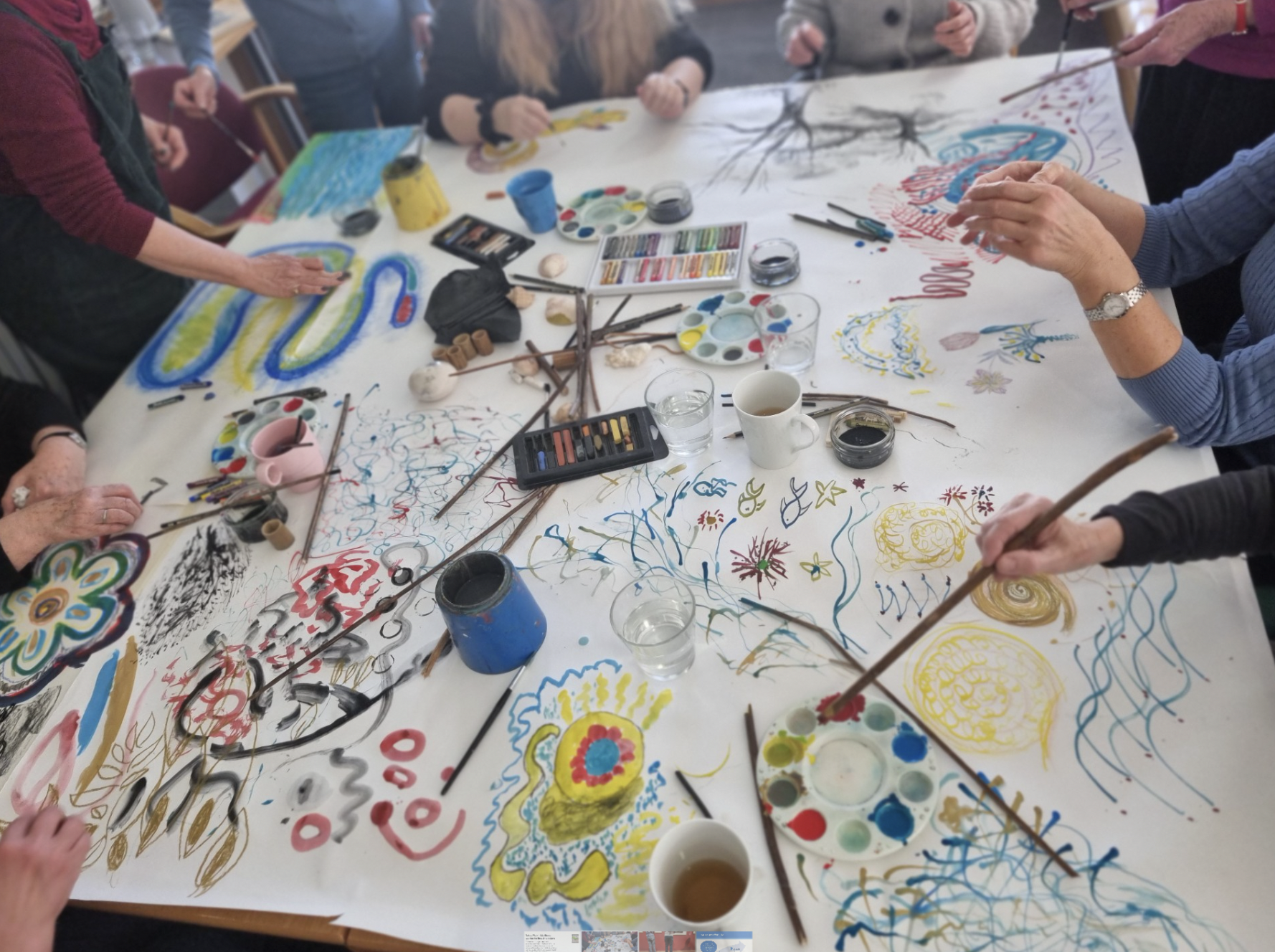
At the 2025 University Museums Group Conference, I shared insights from ongoing work I’ve been doing at The Fitzwilliam Museum aimed at transforming how museums engage with older adults and people living with chronic conditions, including non-visible disabilities. This work is underpinned by my personal and professional approach to research and practice which is centred around people – through care, creativity, and collaboration.
Who are we excluding?
Imagine you’ve never been to the museum before. You go online to check when it might be quiet – a small but critical detail if you experience anxiety, chronic pain, or sensory sensitivities. But the website doesn’t obviously provide this information. You search, and eventually you stumble upon the accessibility page. But, when you finally find it, it doesn’t help you, there’s no detail about quieter times. How do you feel?
This is one of many real-life scenarios that have been highlighted by participants through this work – but these are not theoretical problems. They are lived experiences, real-life barriers that make cultural spaces inaccessible.
Take a Walk in My Shoes: Exploring experiences of being ‘in’ the Museum with adults living with non-visible disabilities
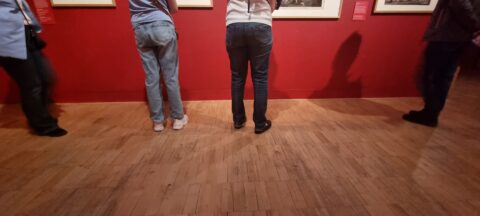
Take a Walk in My Shoes is a participatory action research project which explores how it feels to be in the Museum.
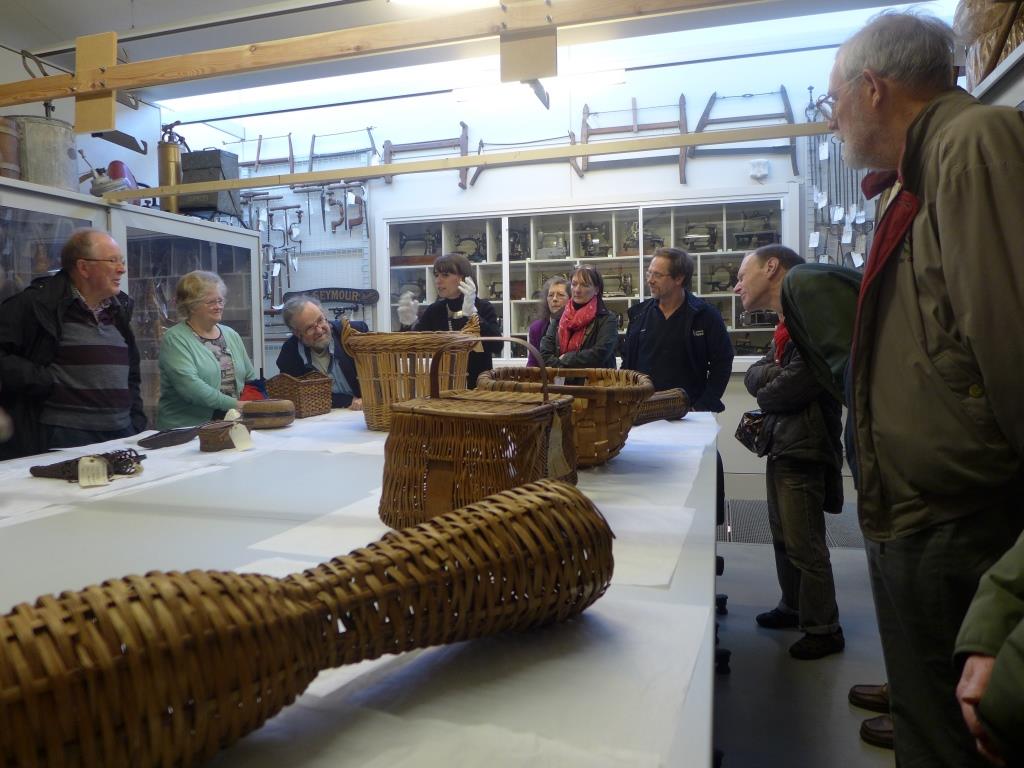
In the first phase of the project, I carried out 11 walking interviews with museum staff and community participants, all of whom are living with one or more non-visible disability. These conversations, grounded in movement and space, highlighted how physical environments intersect with emotional and sensory experiences. I also carried out five sensory ethnographic observations in key transitional spaces within the Museum to capture how it felt to be in that space, from a multi-sensory perspective.
This phase also included two community focus groups, which were added to the research to provide space for more voices, and a co-produced questionnaire which received 14 responses. What sets this research apart is its collaborative, participatory methodology. This isn’t research on people, it’s research with people, or as one participant said, “This isn’t about disability, this is about people!”. Participants didn’t respond to questions; they helped design them. Their lived experiences guided the direction, making them co-creators of both process and outcome.
From Insight to Action
For Phase Two, we envisioned two practical changes, which have been actioned:
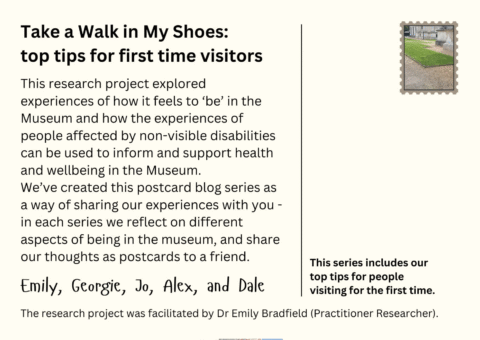
- A blog series to raise awareness of non-visible disabilities, which has been co-created with participants, and is now hosted by the University of Cambridge’s Strategic Research Initiative Connections Collections Communities’ blog pages.
- Accessible maps and pre-visit guides that empower visitors to plan their visit. A sub-group of participants reviewed the Museum’s accessibility webpage which is a starting point for change.
Following on from an evaluative project, Reimagining, in 2024, Museums for Life aims to provide a robust, evidenced model of practice in line with the Museum’s strategic commitment to developing health and wellbeing programmes. This also supports the University’s Collections, Connections, Communities SRI health and wellbeing theme and questions:
- How can health and wellbeing be improved through engagement with collections, and associated physical and digital spaces?
- How might involving communities – of all ages and identities – contribute to public wellbeing and health?
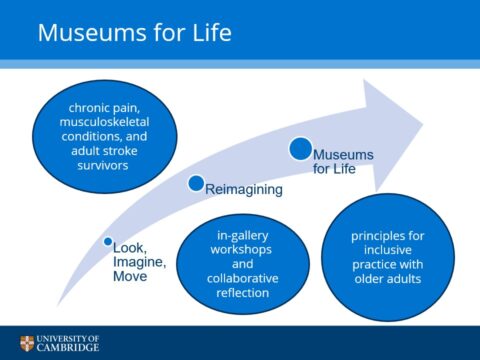
Using participant reflections from Reimagining, I have been developing a set of principles for inclusive practice with older adults in Museums, guided by the Creative Health Quality Framework. These include:
- We value lived experience and enable potential
- We meet individuals where they are.
- We are working towards a more just and equitable society.
- Our programmes are informed by local health needs.
These principles informed the development and delivery of two eight-week programmes for older adults (aged 65+):
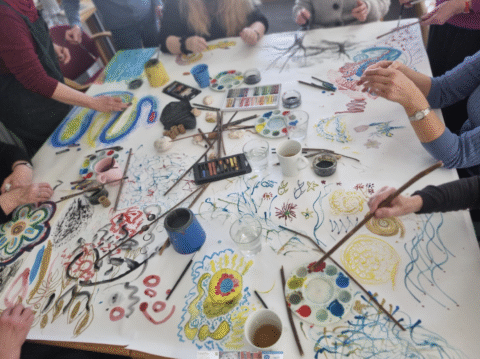
Connecting Nature and Heritage is a hands-on, creative, programme that nurtures health and wellbeing, aiming to support social connectedness. Designed for everyone, with accessibility at its heart. Creative activities throughout the programme were inspired by the Museum’s collection – with a focus on drawing connections with one another and items in the collection.
Everyone is welcome, though the programme particularly welcomed older adults experiencing isolation, living with a chronic health condition and those who hadn’t previously participated in a programme at the Museum.
Collaboration as Innovation
Innovation can suggest radical change or reinvention, but what if it is simply about listening better, caring more, and creating together? Throughout this participatory research and practice, I’ve aimed to centre the experiences and voices of individuals by working collaboratively, rather than hierarchically.
By offering a supportive framework, and creating spaces for conversation and creativity, projects like Take a Walk in My Shoes and Museums for Life have enabled participants to form new social connections and actively shape the direction of the work.
However, for museums, embracing this approach means accepting that meaningful change takes time – it’s slow, iterative, and is rooted in the strength of human relationships.
“I feel like I’ve almost made some friends today — you definitely can’t be lonely in a group.” (Connecting Nature and Heritage participant, March 2025).
Dr Emily Bradfield is a Practitioner Research Associate: Collections and Wellbeing (Older Adults) at The Fitzwilliam Museum, University of Cambridge.
You can reach her at erb71@cam.ac.uk